
About the Founder
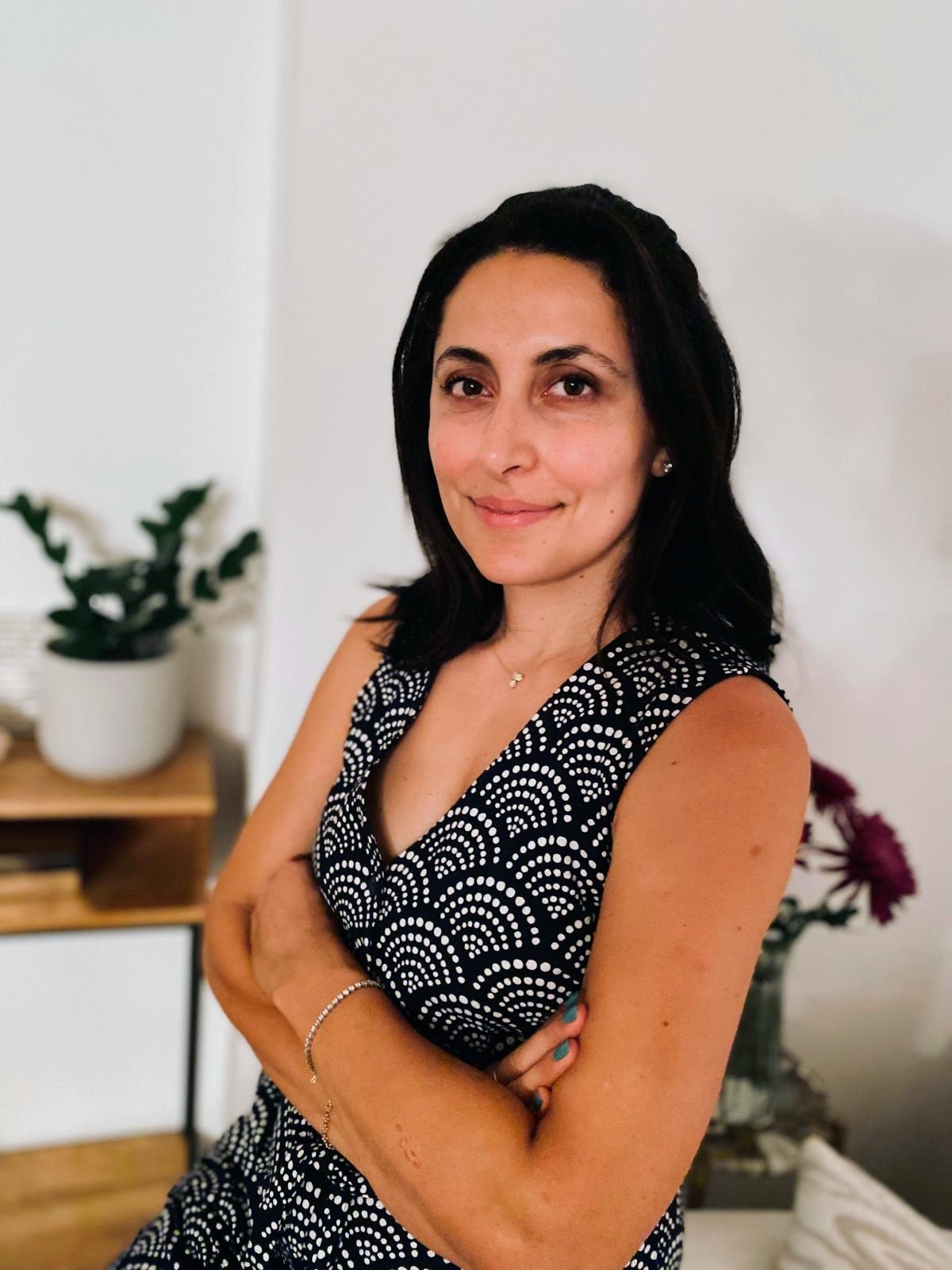
Dr. Emily Cury, PhD, LMSW
Maternal Wellbeing Educator & Consultant
I’m Dr. Emily Cury—an academic turned social worker, and a mother of three.
I am a maternal wellbeing consultant who supports mothers in developing emotional resilience, self-awareness, and connection throughout pregnancy and early motherhood. Combining my expertise as a social worker and researcher, I offer educational and skills-based programs designed to help mothers manage stress, nurture their mental health, and build meaningful support networks.
My work is grounded in perinatal mental health, cognitive-behavioral and mindfulness-based strategies, and a deep understanding of the societal pressures mothers face. Through one-on-one consultation, weekly sessions, and group workshops, I help mothers strengthen the foundations of self-care, identity, and balance—so they can feel more present, confident, and supported.
For almost two decades, my life revolved around learning and teaching. I earned my PhD in Political Science and built a career in academia. My identity was rooted in research, writing, and the pursuit of understanding how systems shape our lives. I loved it deeply and found real meaning in it.
Then, in my mid-30s, I became a mother—and everything changed.
I was fortunate: I had a loving, involved partner, a strong network of family and friends, and the means to hire help. Yet, parts of me still felt completely alone in this new role. I remember thinking, “How could I have spent years training to become an expert in my field, yet be thrown into motherhood with so little guidance?”
Much of what I learned came from late-night searches, well-meaning friends, and endless snippets of advice. I still remember a nurse telling me, “Breastfeeding is not for the weak!” as I cringed in pain, my newborn struggling to latch. Another nurse suggested I “flicker” my nipple, while a friend advised me to “roughen them up” before birth. My researcher’s brain couldn’t help but ask, “Where’s the evidence? Why are mothers left to piece together advice like this, alone?”
I thought things would get easier once I delivered. But they didn’t. I still remember the moment I swallowed my pride and asked my physician-husband to look “down there,” convinced something was wrong. My six-week postpartum visit lasted thirty minutes—and I left thinking, “Is this all we get?”
Becoming a social worker changed everything. It gave me a new lens to understand how profoundly our systems fail to support mothers—not just physically, but emotionally and socially. It showed me the gaps in care, and more importantly, that each of us can help fill them.